• Skip to primary navigation
  • Skip to main content

Nicole Brar

Fitness Instructor & Nutritionist

  • Home
  • VR Fitness
  • Health & Nutrition
  • Yoga
  • Contact
  • Blog

Power Yoga: Ignite Your Strength and Energize Your Spirit

January 29, 2025 by Nicole Brar Leave a Comment

two women doing power yoga outside

Are you seeking a dynamic and invigorating way to elevate your yoga practice? Look no further than Power Yoga, a transformative blend of traditional yoga and modern fitness techniques that’s designed to ignite your strength and energize your spirit. In this blog post, we’ll delve into what Power Yoga is and how it sets itself apart from regular yoga.

What Is Power Yoga?

Power Yoga is a vigorous and dynamic style of yoga that fuses the principles of traditional yoga with the intensity of a fitness workout. It’s a contemporary approach that emerged in response to the desire for a more physically demanding practice. Rooted in Ashtanga and Vinyasa yoga traditions, Power Yoga places a strong emphasis on flowing sequences, breath control, and strength-building postures.

Differences of Power Yoga from Regular Yoga:

Intensity

Unlike traditional yoga, where the focus may be on relaxation and meditation, Power Yoga amps up the intensity. It involves faster-paced movements and challenging poses that require increased muscle engagement.

Cardiovascular Workout

Power Yoga incorporates elements of cardiovascular exercise, elevating your heart rate and promoting calorie burning. This makes it an excellent choice for those aiming to combine yoga with a cardio workout.

Strength and Muscle Toning

Power Yoga targets muscle groups with greater emphasis, aiding in muscle toning and overall strength development. It’s a fantastic option for individuals looking to sculpt and define their physique.

Flexibility and Balance

While Power Yoga promotes flexibility like traditional yoga, it’s delivered in a more dynamic manner. The practice helps improve balance, coordination, and stability.

Mind-Body Connection

Just like traditional yoga, Power Yoga prioritizes the mind-body connection. The dynamic flow and challenging postures demand focus, enhancing mental clarity and stress relief.

Adaptability

Power Yoga can be customized to various fitness levels, making it accessible to both beginners and experienced yogis. It encourages personal growth and progress at your own pace.

Conclusion:

Incorporating Power Yoga into your fitness routine can invigorate your body and elevate your yoga experience. It offers an opportunity to push your boundaries, build strength, and deepen your connection to yourself. Whether you’re seeking a vigorous workout or a fresh perspective on your yoga journey, Power Yoga is a powerful choice that empowers you to harness both physical and mental strength.

Embrace the energy, embrace the transformation – ignite your strength and energize your spirit with the empowering practice of Power Yoga.

Filed Under: Yoga Tagged With: nicole brar, power yoga, yoga classes, yoga instructor, yoga tips

8 Benefits of Yoga

September 24, 2024 by Nicole Brar Leave a Comment

8 benefits of yoga nicole brar

If you are someone who wants to focus on their health, starting a yoga practice has so many benefits. As a yoga instructor, Nicole Brar has been practicing yoga for more than 15 years and provides instruction in all branches of yoga, including hatha, bhakti, jana, and hot yoga. Today she shares 8 benefits of a yoga practice.

  1. Strengthen the connection between the mind and body. We often think of these are separate things, but they are actually deeply intertwined. Aside from the many physical benefits, yoga can help you develop a healthy relationship with your body. 
  2. Improve flexibility. With time and regular practice, yoga can greatly increase your range of motion. If you think you aren’t flexible enough to start yoga, don’t worry about it – poses can always be modified to suit your current ability.
  3. Manage stress and anxiety. Physical activity combined with breathwork and meditation can put you into a deep state of relaxation. This helps to manage stress, even off the mat.
  4. Get better sleep. If you are having trouble sleeping, practicing some yoga before bed can help relax you and put you to sleep.
  5. Improves strength. Yoga works out all of your muscles – sometimes ones you didn’t even know you had! 
  6. Improves balance. Many people claim they can’t do yoga because their balance isn’t good enough, but this is something you will definitely improve upon with regular practice.
  7. Lose fat. Yoga burns calories, strengthens muscles, and helps you become more mindful and less stressed overall. All of these things combined can help you with your fat loss goals. 
  8. Gives you more energy. Constant stress and tension in our lives make us so tired. By practicing yoga and moving your body, you release that stress and thus have more energy!

Filed Under: Yoga Tagged With: benefits of yoga, nicole brar, yoga for beginners, yoga instructor, yoga tips

Yoga For Better Sleep: Restoring Harmony and Finding Rest

August 21, 2024 by Nicole Brar Leave a Comment

woman sleeping in bed

Are sleepless nights leaving you feeling tired and drained? If you’re struggling with sleep problems, you’re not alone. Many of us battle restlessness and insomnia at some point in our lives. 

The good news is that yoga can be a powerful tool to help restore harmony and find deep rest. Let’s explore how yoga can improve your sleep and some helpful tips to incorporate it into your bedtime routine.

How To Use Yoga For Better Sleep

Calming the Mind:

Yoga is not just about physical postures; it’s also a practice of calming the mind. The deep breathing techniques and mindfulness exercises in yoga help reduce stress and anxiety, two major culprits behind sleep disturbances. By quieting the mind, you create the ideal conditions for restful sleep.

Relaxing the Body:

Certain yoga poses promote relaxation and release tension from the body. Poses like Child’s Pose, Forward Bend, and Corpse Pose are particularly effective in calming the nervous system and preparing the body for sleep.

Evening Wind-Down Routine:

Incorporate gentle yoga stretches into your evening wind-down routine. Spend at least 15-20 minutes on your mat before bedtime. You can follow along with a guided yoga video or create your own sequence based on poses that help you feel relaxed.

Focus on Deep Breathing:

Practicing deep breathing exercises, such as Pranayama, activates the body’s relaxation response and eases the transition from a busy day to a peaceful night. Focus on slow, steady breaths, inhaling deeply through your nose and exhaling fully through your mouth.

Yoga Nidra for Sleep:

Consider trying Yoga Nidra, a guided meditation technique often referred to as “yogic sleep.” This practice is designed to induce deep relaxation and promote sleep. Many online platforms offer pre-recorded Yoga Nidra sessions that you can play before bedtime.

Create a Soothing Environment:

Enhance your sleep environment by adding calming elements like soft lighting, gentle music, or essential oil diffusers. Transform your bedroom into a sanctuary of peace, supporting your yoga practice and sleep routine.

Conclusion

Remember, consistency is key! Make yoga a regular part of your bedtime routine, and be patient with yourself as you cultivate a deeper connection with your body and mind. Embrace this journey with love and compassion, and you’ll discover how yoga can truly be a natural and effective remedy for better sleep.

Filed Under: Uncategorized Tagged With: nicole brar, yoga classes, yoga for beginners, yoga instructor, yoga tips

Yoga & Mindfulness: Cultivating Present-Moment Awareness

July 19, 2024 by Nicole Brar Leave a Comment

Welcome to my blog! In this post, we’ll explore the profound connection between yoga and mindfulness, and how practicing both can lead to greater present-moment awareness and overall well-being. Discover the benefits of mindfulness, along with practical tips to infuse your yoga practice with mindfulness.

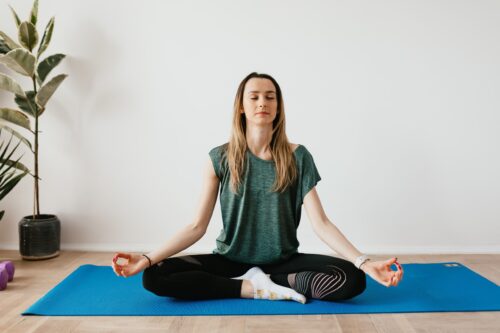
woman sitting peacefully in a yoga pose meditating on a mat

The Connection Between Yoga and Mindfulness

Yoga and mindfulness are beautifully intertwined practices that complement and enhance each other. While yoga is a physical practice that cultivates strength, flexibility, and balance, mindfulness brings a deeper level of awareness and presence to the practice. Mindfulness involves consciously paying attention to the present moment, free from judgment or attachment, and fully immersing ourselves in the experience.

Benefits of Mindfulness

Reduced Stress and Anxiety

Mindfulness allows us to detach from worries about the past or future, bringing our focus to the present moment. This helps alleviate stress and anxiety, promoting a sense of calm and inner peace.

Improved Mental Clarity

By practicing mindfulness, we develop the ability to observe our thoughts and emotions without getting caught up in them. This mental clarity enhances decision-making, problem-solving, and concentration.

Enhanced Self-Awareness

Mindfulness helps us become more attuned to our bodies, emotions, and thoughts. This self-awareness allows us to better understand ourselves, identify patterns, and make conscious choices aligned with our values.

5 Tips for Being More Mindful with Yoga:

1. Breathe Mindfully

Pay attention to your breath throughout your yoga practice. Focus on inhaling and exhaling fully, allowing the breath to guide your movements and anchor you in the present moment.

2. Engage the Senses

Bring awareness to the physical sensations, sounds, and smells during your practice. Fully immerse yourself in the experience, savoring each moment.

3. Cultivate Non-Judgmental Awareness

Practice observing your thoughts and sensations without judgment. Let go of expectations or comparisons, embracing acceptance and kindness towards yourself.

4. Stay Present in Asanas

Be fully present in each yoga posture, noticing how your body feels and adjusting accordingly. Avoid rushing through poses and cultivate a sense of curiosity and exploration.

5. Mindful Transitions

Pay attention to the transitions between poses, maintaining a smooth and intentional flow. Use these moments to connect with your breath and bring awareness to the present.

Conclusion:

By incorporating mindfulness into your yoga practice, you can deepen your mind-body connection and experience the transformative power of present-moment awareness. Embrace mindfulness as an integral part of your yoga journey, and witness its positive impact on your overall well-being.

Filed Under: Yoga Tagged With: nicole brar, Nicole Brar Fitness, yoga for beginners, yoga instructor, yoga tips

Traditional Wellness Practices To Try

April 10, 2024 by Nicole Brar Leave a Comment

traditional wellness practices

If you’ve been to my blog before, you know that we believe in holistic health around here. Health isn’t just about physical fitness, it’s about your entire being. To complement your fitness routine and nutritional plan, I have put together a list of 3 traditional wellness practices to test out. 

Reiki

Reiki is an ancient form of energy healing that comes from Japan. Practitioners transfer “universal energy” from their palms to the patient. Unlike massage, a reiki practitioner doesn’t need to touch you for this to be effective. 

Many people are skeptical of reiki, and research is limited. However, studies do suggest that it can reduce anxiety and pain, as well as promote relaxation.  

Acupuncture

Acupuncture is a key part of traditional Chinese medicine. A practitioner inserts thin needles into specific points of the body to balance energy flow (aka Qi). Traditionally, it was used to treat pain, but people also use it to relieve stress and promote overall well-being.

There aren’t a whole lot of scientific studies to prove the effectiveness of acupuncture. However, many clinics in the United Kingdom now offer this service to treat various ailments. 

Chinese Herbal Therapy

Chinese herbal therapy uses a variety of herbs in various combinations to restore balance of the body’s energy (aka Qi). Like acupuncture, this is a major part of traditional Chinese medicine. Many cultures also have their own forms of herbal medicine. 

Some say this can treat various health issues, including boosting the immune system and reducing inflammations. Herbal medicines may not have the same side effects associated with modern medicine. However, you should still use caution when taking herbal remedies. 
Follow Nicole Brar’s blog for more tips on wellness, fitness, and nutrition.

Filed Under: Health Tagged With: holistic wellness, nicole brar, traditional wellness practices, wellness, yoga instructor

  • « Go to Previous Page
  • Go to page 1
  • Go to page 2
  • Go to page 3
  • Go to page 4
  • Go to Next Page »
  • Home
  • VR Fitness
  • Health & Nutrition
  • Yoga
  • Contact
  • Blog

Copyright © 2026 · Nicole Brar · All Rights Reserved · Log in